

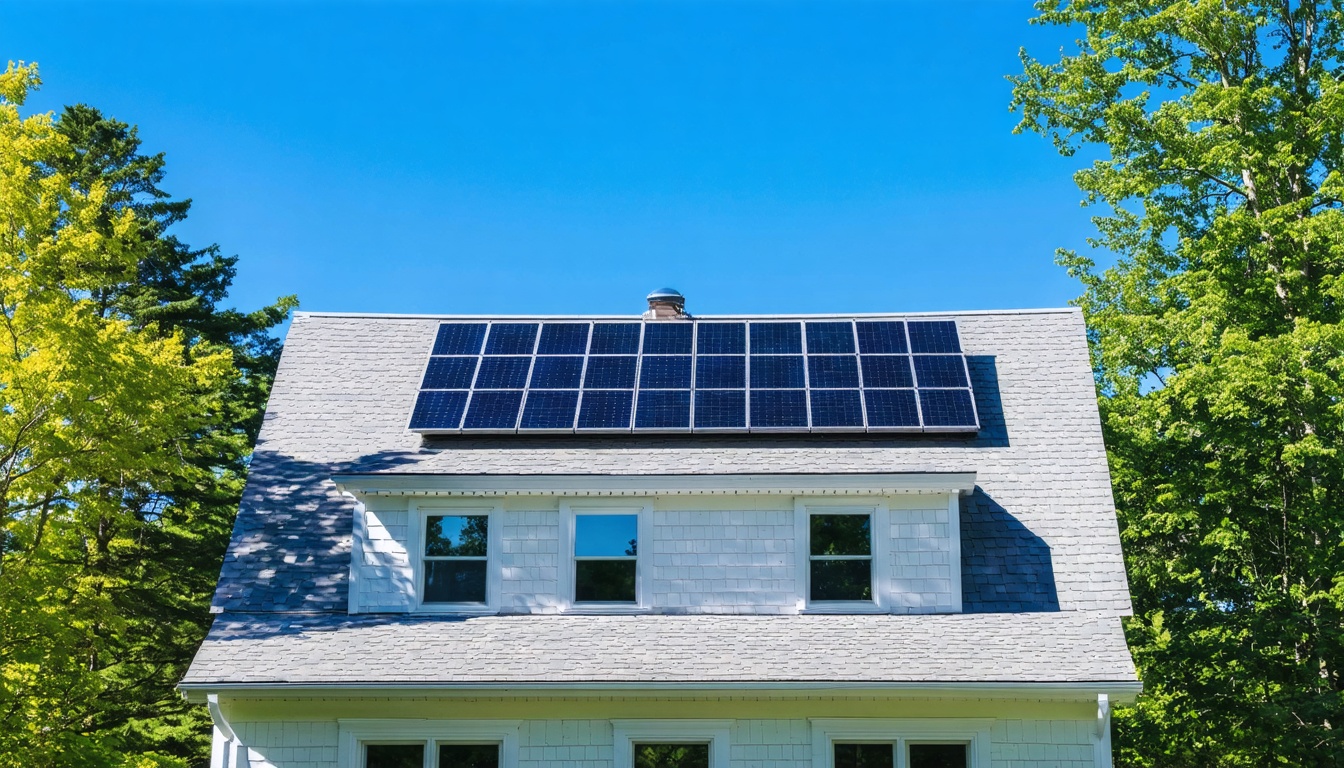
Solar Ready Roof Upgrades That Matter for Homes in New Hampshire
If you are considering solar energy for your home in New Hampshire, investing in solar-ready roof upgrades can be beneficial. This includes not only the structural integrity of your roof but also the choice of materials that facilitate solar panel installation and efficiency. Upgrading to a solar-ready roof typically involves ensuring that the roof is capable of supporting the weight of solar panels and that it is orientated in a way that maximizes sun exposure. Additionally, using durable materials can enhance the lifespan of both the roof and the solar installation, potentially leading to reduced maintenance costs in the long run. There are also financial incentives available for homeowners who install solar technology, such as tax credits or rebates, which can improve the investment's overall value. Research indicates that homes equipped with solar energy systems generally experience an increase in property value. Before proceeding with upgrades, it is essential to evaluate which specific roof enhancements will provide the most benefit for your situation. Factors to consider include the existing condition of your roof, local building codes, and the potential for energy savings over time. A thorough assessment can help determine the best approach to ensuring your roof is truly solar-ready.
Evaluating the Cost and Benefits of Solar-Ready Roof Upgrades
When evaluating solar-ready roof upgrades in New Hampshire, careful planning is essential. Incorporating necessary electrical infrastructure during the initial construction phase and ensuring the roof’s orientation is conducive to solar panel installation can lead to future installation cost reductions of approximately 30%.
Residential solar systems in New Hampshire offer several advantages. For instance, net metering enables homeowners to return excess energy to the grid, which can help mitigate their electricity expenses. Additionally, the installation of battery backup systems can enhance energy reliability during power outages.
In cities like Manchester and across New Hampshire, it is crucial to follow efficient permitting processes and comply with building codes. These processes not only help maintain property values but also contribute to a streamlined installation of solar panels.
For prospective homebuilders, it is advisable to assess roof upgrades that facilitate solar installations, including consulting with Home Solar Energy Services for professional guidance. Obtaining a detailed quote can provide insights regarding the investment and benefits associated with making the roof solar-ready.
Key Components of a Solar-Ready Roof System
A solar-ready roof system comprises several critical components that facilitate the installation of solar panels in the future.
The orientation of the roof plays a significant role in the efficiency of energy collection; for optimal performance, it is advisable for the roof to face south or west, as these directions are generally more effective for capturing sunlight, particularly in regions like New Hampshire.
Structural reinforcements are essential, especially for new constructions or typical residential roofs. These reinforcements ensure that the roof can bear the weight of solar panels and any related backup battery systems.
The electrical infrastructure of a solar-ready roof should be designed for easy connection to both the electrical grid and battery backup systems. This aspect enhances the overall functionality and reliability of the solar system.
Additionally, creating watertight seals around any roof penetrations is necessary to prevent potential water damage. Compliance with local building codes, such as those set by the City of Manchester, is also crucial to ensure that the installation meets regulatory requirements.
Moreover, permitting requirements should be taken into account, as these can differ from one municipality to another.
Investing in a solar-ready roof system may positively impact property values. Homeowners interested in pursuing this option should consider obtaining quotes for a comprehensive understanding of the associated costs and benefits.
Maximizing Financial Incentives and Return on Investment
Homeowners in New Hampshire can enhance their investment in solar-ready roof upgrades by leveraging various financial incentives available in the region. The federal Investment Tax Credit (ITC) allows homeowners to claim a tax credit that covers 30% of solar installation costs.
In addition, the NHSaves program provides rebates that can reach up to $6,000, effectively lowering the overall cost of solar projects.
In the process of constructing or retrofitting a roof system in New Hampshire, it is advisable to design the roof with solar panel installation and grid connectivity in mind. Energy-efficient solar panels not only contribute to a reduction in energy costs but studies indicate they can also increase property values by approximately 4-6%.
Homeowners may benefit from obtaining quotes from local service providers, particularly those in Manchester, to evaluate the feasibility and cost-effectiveness of solar investments.
Additionally, considering options for battery backup systems could improve energy reliability. It is also important to comply with local permitting and building codes to ensure the durability and protection of the investment in solar technology.
The Installation Process and Professional Standards
The installation process for solar upgrades is systematic and organized. Initially, homeowners can obtain a complimentary quote, which is followed by a thorough assessment of the roof, particularly if the property is located in Manchester or New Hampshire. This assessment evaluates key factors, including whether the property is a new construction or an established residential building.
Following the assessment, a customized system design is developed to address specific energy requirements and electrical grid connections, alongside considerations for battery backup systems. This approach seeks to ensure that the solar solution adequately meets both the energy demands of the household and any potential natural gas offsets.
The installation of solar panels is conducted efficiently, with the installation team managing all necessary permitting and related services. Adhering to New Hampshire building codes is a focal point throughout the installation process, as is maintaining the property’s value. The installation crews receive training aimed at minimizing disruptions to the home environment during setup.
Once the solar panels are installed, they are engineered for reliable performance, with a focus on preserving the condition of the property.
The overall structure of the solar installation process emphasizes efficiency, compliance with local standards, and reduced inconvenience for homeowners.
Long-Term Value: Energy Savings, Sustainability, and Resale Premiums
Investing in solar-ready roof upgrades requires careful consideration of both initial costs and long-term benefits. Implementing solar panels, battery backup systems, and energy-efficient designs can lead to lower operational costs for homes throughout New Hampshire, including both standard residential constructions and new builds.
Such upgrades may result in significant reductions in energy expenses and could positively influence property values.
In Manchester, local regulations govern the permitting and installation services for solar panels, ensuring compliance with building codes and facilitating a more streamlined installation process. Homeowners may find that these upgrades help to mitigate the high energy bills associated with natural gas consumption.
Additionally, the federal Investment Tax Credit (ITC) provides a 30% tax credit on the costs associated with solar systems, which may enhance the financial viability of these investments.
When deliberating on solar upgrades, it is also important to consider the potential advantages related to property resale. Research indicates that homes equipped with solar panels tend to enjoy higher resale premiums, which can be an important factor for buyers who prioritize sustainability and energy efficiency in their purchasing decisions.
This trend highlights the dual advantages of solar investments, which can provide both economic returns and environmental benefits over time.
Conclusion
Upgrading to a solar-ready roof in New Hampshire can provide homeowners with several benefits, including increased property value, potential energy savings, and a lower environmental impact. Key considerations when upgrading include the choice of roofing materials, the roof's orientation, and compliance with local building regulations. Selecting appropriate roofing materials is essential, as some may be more conducive to solar panel installation than others. For instance, roofs made of asphalt shingles or metal are generally more compatible with solar technology. The orientation of the roof also plays a critical role; roofs that face south or west typically receive more sunlight throughout the day, making them more favorable for solar panel efficiency. Additionally, understanding New Hampshire's regulations regarding solar installations is crucial. Homeowners should familiarize themselves with any zoning laws or building codes that may affect the installation process. This knowledge can facilitate a smoother transition to solar energy and ensure compliance with local standards. Investing in a solar-ready roof may also be financially advantageous. Homeowners can take advantage of various financial incentives aimed at promoting renewable energy adoption, which can offset the initial costs. Furthermore, a home equipped with a solar-ready roof may be more appealing in the resale market, as buyers increasingly value energy-efficient features. In conclusion, preparing your roof for solar energy involves careful consideration of materials, orientation, and regulations. By taking these steps, homeowners can enhance their energy independence while contributing to sustainability efforts in New Hampshire.

Pan troglodytes verus
Chimpanzee