

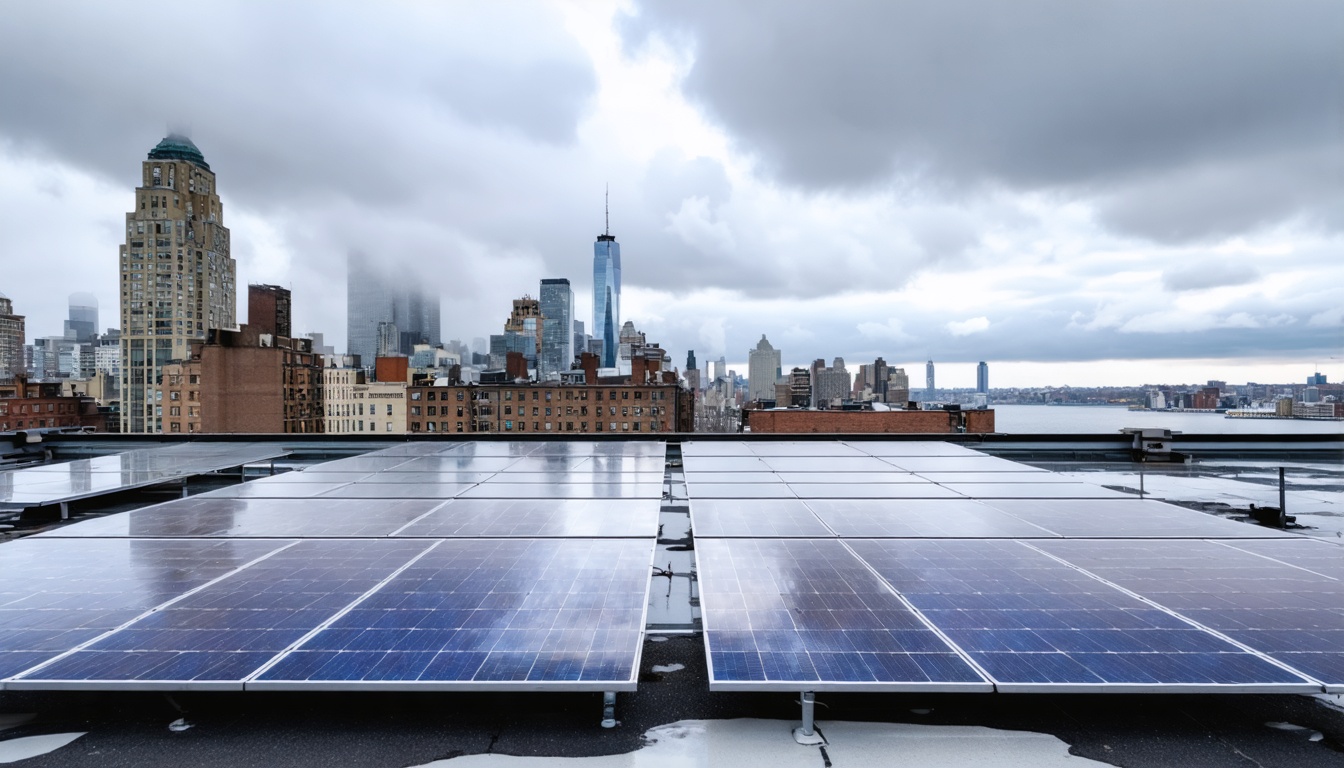
How Local Weather Shapes Solar Energy Decisions in Jersey City, New Jersey
When considering solar energy in Jersey City, it is essential to consider the local weather patterns. The region experiences unpredictable rainfall, frequent cloud cover, and seasonal fluctuations, all of which can impact the energy output of solar systems. These weather conditions may lead to variations in the efficiency of solar panels, requiring potential users to factor these elements into their energy production forecasts. Furthermore, these local weather factors can influence the costs associated with solar energy installation. Regions with substantial sunlight may offer a more favorable return on investment for solar installation compared to areas with more cloud cover and precipitation. Users contemplating solar energy should also evaluate available government incentives and advancements in solar technology, which can mitigate some of the challenges posed by Jersey City's climate. In summary, before deciding to invest in solar power, it is advisable to conduct thorough research into both the local weather's effects on energy generation and the financial implications of installation, considering any available support programs or technological developments that may enhance system performance in response to local conditions.
Assessing Solar Performance in Variable Climate Conditions
Jersey City is characterized by a humid subtropical climate, which affects the performance of solar energy systems throughout the year. Solar panels can still generate electricity effectively for both residential and commercial uses, contributing to a stable energy source for the community.
Local utility providers encourage the adoption of solar power by offering resources such as energy tracking applications to help users monitor their energy consumption.
Additionally, integrating energy-efficient solutions, such as LED lighting, can reduce reliance on fossil fuels and decrease overall carbon emissions.
Individuals and businesses interested in sustainable energy practices should consider working with public project coordinators to investigate programs designed to improve energy efficiency in Jersey City.
These initiatives can facilitate personal sustainability efforts while contributing to communal environmental objectives.
Impact of Seasonal Changes on Energy Generation
The climate in Jersey City exhibits marked seasonal variations that influence the energy output of solar panel systems. During the summer months, longer daylight hours and increased solar irradiance typically result in higher energy generation from both residential and commercial solar panels. This enhanced output can contribute to a decreased reliance on grid electricity while potentially lowering carbon emissions associated with energy consumption.
In contrast, the winter season poses challenges for solar energy production. The accumulation of snow on solar panels can obstruct sunlight entry, leading to reduced energy generation until the snow is either naturally melted or manually removed.
The transitional seasons of spring and fall usually offer more favorable conditions for solar energy production, as temperatures are moderate and sunlight availability is generally consistent.
To complement solar energy systems, the adoption of energy-efficient technologies, such as LED lighting and energy management systems, can further enhance overall energy efficiency and promote sustainability.
Engaging with reputable companies or participating in community solar projects can also improve the effectiveness and advantages of solar energy initiatives, contributing to a broader reduction in reliance on fossil fuels in Jersey City.
Planning Installation Around Local Weather Patterns
When planning a solar installation in Jersey City, it is important to analyze local weather patterns and consider the benefits of professional solar installation services available at Solar Installation in Jersey City. The city records approximately 200 sunny days each year, which can enhance the energy production of both residential and commercial solar panels.
It is recommended to consult with solar companies or utility providers to avoid scheduling installations during storm seasons, as heavy rainfall can lead to project delays and may impact the structural safety of the installations.
Residents and businesses can participate in solar initiatives through local community centers or programs that promote the use of LED lighting and renewable electricity sources. These efforts aim to decrease dependence on fossil fuels and foster environmental sustainability.
Additionally, individuals interested in solar energy projects may contact public services for guidance and support regarding current initiatives aimed at minimizing carbon emissions in Jersey City.
Maximizing Efficiency During Cloud Cover and Snowfall
Maximizing the efficiency of solar panels in Jersey City is feasible even during periods of cloud cover and snowfall. Solar panels are engineered to produce electricity under a range of weather conditions, although their energy output may decrease when sunlight is obstructed.
Participating in community solar programs can improve energy production by enabling individuals to share resources and benefits from collective solar investments. Furthermore, utilizing services that monitor the performance of residential and commercial solar panels facilitates the identification and resolution of problems that may occur during inclement weather.
Regular maintenance of solar panels is necessary to ensure they remain clear of snow accumulation, as snow can hinder energy capture. However, it is worth noting that the reflective surfaces created by snow can, in certain scenarios, increase the amount of light that reaches the panels, which may enhance their efficiency in winter conditions.
Incorporating LED lighting solutions and energy storage systems can further optimize energy usage. Utilities typically provide various programs and tools to assist with these integrations, which can help retain surplus electricity for broader consumption.
By implementing these measures, stakeholders can contribute to the reduction of dependency on fossil fuels, promote the utilization of sustainable energy, and decrease overall carbon emissions.
For further information and available options, it is advisable to contact local authorities or service providers.
Leveraging Renewable Incentives Amid Weather Challenges
Jersey City experiences variable weather patterns that can pose challenges to the planning and execution of solar energy projects.
Nevertheless, several practical incentives are available to help mitigate these challenges. One option for residents and businesses is participation in a Community Solar program. This program enables consumers to benefit from solar energy generation without having to install solar panels on their properties directly.
Additionally, the Clean Energy Credit offers noteworthy financial incentives for both residential and commercial solar installations. This credit reduces the overall costs associated with adopting solar technology, making it more accessible to a larger segment of the population.
Utility companies are also playing a role in supporting the integration of battery storage solutions. These systems increase reliability by acting as a backup during adverse weather conditions that can impact electricity generation.
For those interested in these initiatives, it is advisable to contact local companies or project centers for more detailed information.
These efforts contribute to the broader objectives of reducing dependence on fossil fuels, lowering the carbon footprint of Jersey City, and enhancing public lighting systems through the implementation of LED technology.
Furthermore, utilizing applications can help keep stakeholders informed about developments in the renewable energy sector.
Conclusion
The decision to invest in solar energy in Jersey City is closely linked to the local weather conditions, which play a significant role in determining the effectiveness of solar systems. Factors such as temperature, sunlight availability, and precipitation levels are critical in assessing system performance. Jersey City experiences a temperate climate, characterized by warm summers and cold winters. During summer months, days are typically longer, providing more sunlight hours, which can enhance solar energy generation. However, the winter months may have shorter days and less sunlight, potentially impacting output. Rain and snow can also temporarily reduce the efficiency of solar panels, although modern designs are generally resilient to these conditions. Understanding these climatic patterns allows solar energy investors to make informed decisions regarding system specifications and location. Proper placement of solar panels, considering shading from nearby structures and optimal angles for sunlight capture, can further improve energy output. Additionally, local incentives and policies may also be more favorable during certain times of the year, which necessitates keeping abreast of regulatory changes. By analyzing how local weather conditions affect solar energy production, individuals and organizations can make strategic decisions that align with their financial and environmental goals in Jersey City.

Pan troglodytes verus
Chimpanzee